
Creating an effective home workout space doesn’t require a garage full of equipment or a professional studio. With a few strategic changes you can build a safe, motivating area that fits your goals, your budget, and your living space.
This article gives clear, practical tips—layout, flooring, gear, storage, lighting, tech, and recovery—so you can upgrade your home gym quickly and sustainably.
Plan your layout and training flow
Start by defining what workouts you do most: strength, cardio, mobility, or mixed sessions. Measure the usable floor area and sketch a simple floor plan that allocates zones for movement, equipment, and storage. Leave at least 2–3 feet of clearance around weights and machines for safe movement and loading/unloading.
Choose the right cardio setup
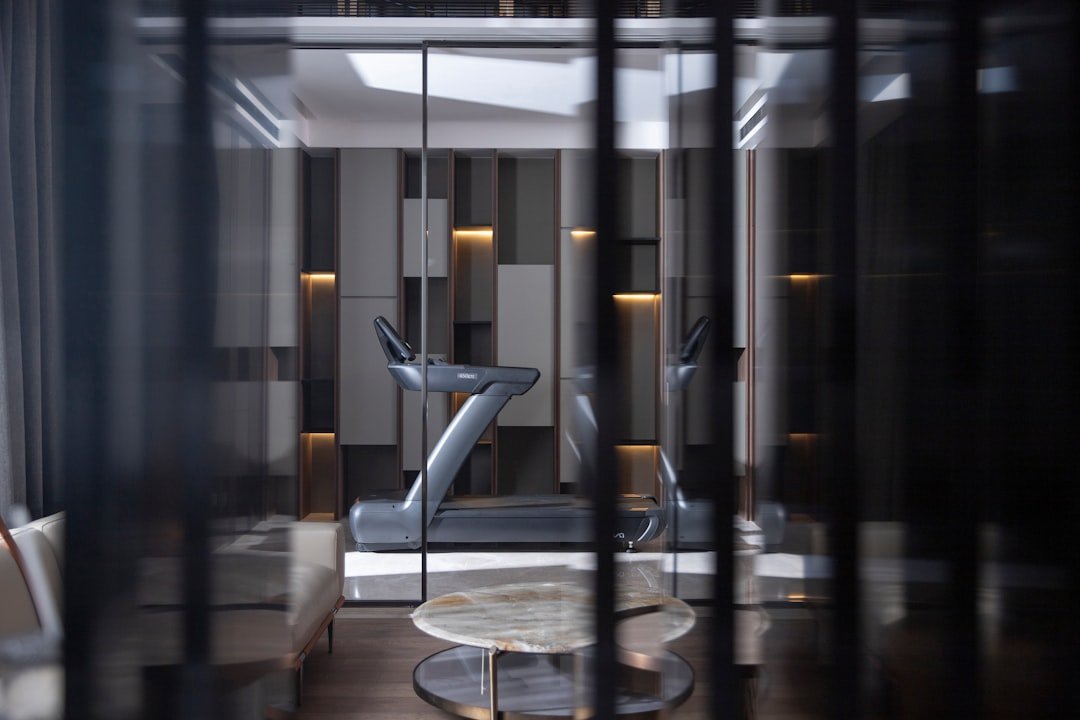
If cardio is a regular part of your routine, prioritize compact machines that fit your space. Low-footprint options can deliver big results without overwhelming the room. Browse focused categories to compare treadmills, rowers, and compact cardio units like fans or vibration platforms so you pick the best fit for frequency and noise limits. Explore Cardio Training for compact, home-friendly options and product ideas.
Build a strength corner
Designate a corner for resistance work. A single adjustable bench, a small rack, or bodyweight station covers most strength needs. When space is tight, prioritize multi-use items—adjustable dumbbells, a small rack, and a durable barbell alternative. Check curated strength pieces and accessories to assemble a compact, progressive setup. See options in the Strength Training category for inspiration.
Select compact free weights and tools
Free weights are versatile and space-efficient. If storage is limited, choose adjustable or stackable designs that tuck away easily. Medicine balls, kettlebells, and weighted vests can broaden progression without taking a lot of room. Plan storage so weights are off the floor when not in use to avoid trip hazards. Look through practical weight selections in the Weights collection to find items that fit your space and goals.
Invest in flooring and protection
Protecting floors and equipment matters for safety and longevity. Interlocking rubber tiles or an under-equipment mat reduce noise, protect surfaces, and provide traction for lifts and dynamic moves. If you use a stationary bike or treadmill, a proper mat absorbs vibration and prevents skid. A well-chosen mat simplifies maintenance and keeps your area tidy.
Smart storage and accessories
Clutter kills momentum. Use wall mounts, vertical racks, or multi-hook systems to store bands, ropes, mats, and smaller tools. A single shelf or crate can house daily items like towels, wrist straps, and gloves. Good organizers save space and make warm-ups and transitions smoother. Browse the Accessories category for storage and small gear solutions that maximize a compact footprint.
Create a mobility and recovery corner
Include a small zone for stretching and recovery—just a mat or a yoga wedge and a foam roller. This supports injury prevention and improves performance. A defined recovery area encourages short cooldowns after tough sessions, which boosts long-term consistency. Consider adding mobility tools and mats from the Yoga collection to keep the space versatile and inviting.
Use tech to stay consistent and safe
Fitness technology can make a small space feel smarter. A compact heart-rate monitor, a smart watch, or an all-in-one tracker helps structure workouts, measure effort, and track progress without extra equipment. Even simple timers and apps provide accountability and ensure proper rest intervals. Review wearable and tracking options in the Fitness Technology category to find tools that fit your training style.
Lighting, ventilation, and ambience
Good lighting and airflow influence performance more than people expect. Natural light enhances mood and circadian cues; if unavailable, use bright, warm LED lighting. A small fan improves airflow and comfort during intense effort. Keep the space clean and add a simple speaker or playlist station to build a cue-based environment that signals ‘training time.’
Maintenance and safety checklist
- Measure space and map zones for cardio, strength, and mobility.
- Use protective flooring under heavy equipment and lifting areas.
- Prioritize multi-use equipment for limited spaces.
- Install wall or vertical storage to clear floor space.
- Keep a wipe and disinfectant handy for regular cleaning.
- Check equipment bolts, straps, and moving parts monthly.
- Arrange a small first-aid kit and a plan for emergencies.
Checklist: Quick buys to improve any home gym
- Durable floor mat or interlocking tiles
- One adjustable bench or compact utility bench
- Set of adjustable dumbbells or kettlebell
- Wall hooks or vertical rack for bands and mats
- Compact cardio machine (if you do frequent cardio)
- Basic fitness tracker or timer
FAQ
Q: How much space do I need for effective workouts?
A: You can do bodyweight and many strength exercises in a 6×6 foot area; aim for a slightly larger area (8×8 ft) for equipment and dynamic movements. Always allow extra clearance for safety.
Q: What’s the minimum equipment to see progress?
A: A pair of adjustable dumbbells, a stable bench or floor routine, and a resistance band set cover strength, mobility, and accessory work for measurable progression.
Q: Should I prioritize cardio or strength if space is limited?
A: Base the decision on your goals. Strength training yields high long-term benefits in small spaces; if you need cardio for endurance, choose compact equipment that fits your noise and footprint constraints.
Q: How do I keep noise down for neighbors or housemates?
A: Use vibration-absorbing mats under machines, place heavier movements near load-bearing floors, choose quieter equipment, and schedule high-impact sessions at considerate times.
Q: How often should I check equipment for safety?
A: Do a quick visual inspection before each session and a more thorough check monthly—tighten bolts, inspect straps, and replace worn parts promptly.
Conclusion
Improving your home workout space is about practical choices: define your goals, prioritize multi-use equipment, protect your floors, and keep organization simple. Small upgrades—better flooring, smart storage, a few well-chosen pieces, and minimal tech—create a safer, more motivating environment that supports consistent progress.