
Simple Home Fitness Ideas for Beginners
Starting a fitness habit at home is one of the most practical ways to get consistent without overthinking equipment or schedules. With a few simple routines, small investments, and sensible habits you can build strength, improve cardio fitness, and feel better day-to-day.
This guide lays out low-barrier, effective home workouts and the right supporting choices so beginners can start safely and keep progress steady.
Why home workouts work for beginners
Home workouts remove friction: no travel time, no crowded classes, and the flexibility to fit short sessions around life. For beginners, the priority is consistency and progressive overload (small, steady increases), not complicated programming.
Focus on three pillars: movement, consistency, and recovery. Combine short strength sessions with a bit of cardio and mobility work. Over weeks, increase reps, sets, or time rather than chasing big jumps in intensity.
Essential, budget-friendly equipment
Beginners do well with light, versatile gear that supports multiple movements. A non-slip mat and a few small accessories expand the exercises you can do safely and comfortably.
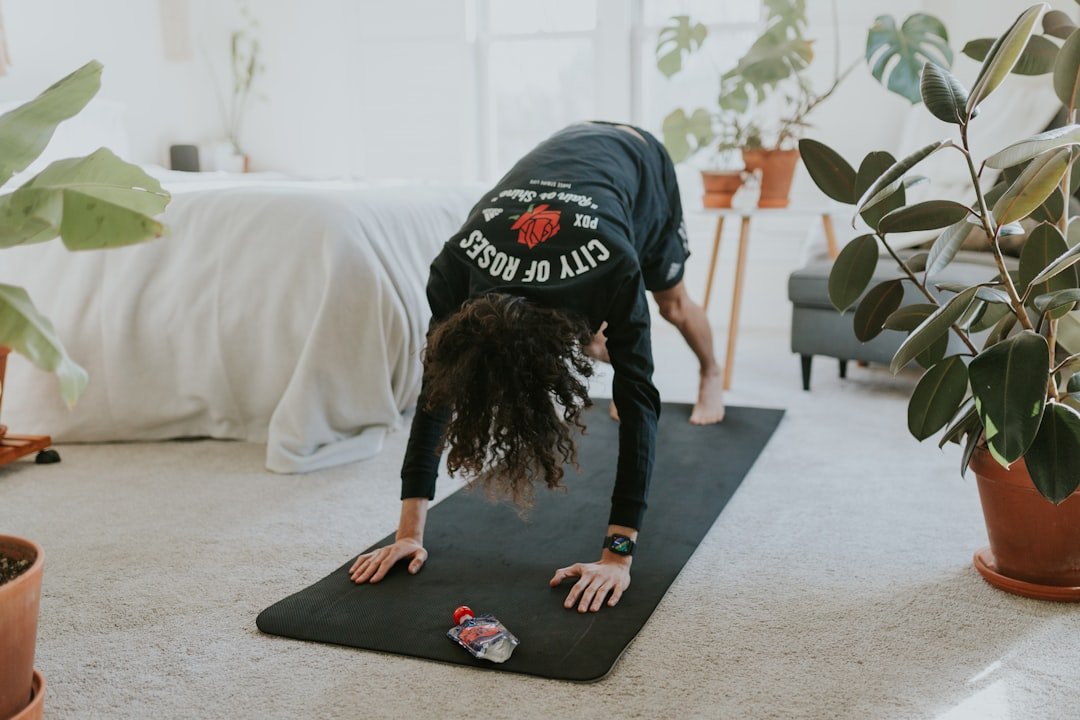
For floor work and yoga-style mobility, a quality mat is a smart first purchase — it protects joints and creates a dedicated workout space. Consider a reliable option like CAMBIVO Yoga Mat for Women Men Kids.
Small hand accessories help build grip and forearm strength, useful for bodyweight pulling and carrying work. A compact trainer such as the AIXPI Grip Strength Trainer, Hand Grip is inexpensive and portable.
Bodyweight strength routines for beginners
Start with compound bodyweight movements that train multiple muscles and movement patterns. A basic, repeatable routine might include:
- Push-ups (or incline push-ups) — 3 sets of 6–12
- Bodyweight squats — 3 sets of 10–15
- Glute bridges — 3 sets of 12–20
- Plank holds — 3 sets of 20–60 seconds
- Inverted rows or resistance band rows — 3 sets of 6–12
As you adapt, introduce simple strength tools or structured programs from the Strength Training category to add progressive resistance—dumbbells, sliders, or weighted vests can help once bodyweight becomes easy.
Beginner-friendly cardio at home
Cardio doesn’t require a treadmill. Short, frequent sessions are effective and less intimidating for people new to exercise. Options include:
- Brisk walking or stair climbing (10–30 minutes)
- Jump rope intervals (30–60 seconds work / 30–90 seconds rest)
- Low-impact circuits using bodyweight moves (burpees, mountain climbers, step-ups)
- Mini trampoline or at-home machines for low-impact bouncing
If you prefer guided equipment or want to explore machines for variety, browse our Cardio Training options to find solutions suited to small spaces and beginner pacing.
Designing short, effective sessions (20–30 minutes)
Beginner sessions should be manageable and time-efficient. A simple template:
- Warm-up 3–5 minutes: joint rotations, marching, light dynamic stretches
- Strength block 10–15 minutes: 2–3 compound exercises, 3 sets each
- Short cardio burst 3–5 minutes: moderate intensity intervals
- Cool-down 2–5 minutes: static stretching or breathing
Repeated 3–4 times per week, this format builds base fitness without overwhelming recovery needs.
Clothing and comfort for consistency
Wearing the right clothing can make workouts more comfortable, reduce distractions, and protect your skin during floor work. Breathable, stretchy pieces that wick sweat help you move freely and feel confident.
Explore beginner-friendly options in our Activewear collection to find comfortable tops, shorts, or leggings designed for home and light gym sessions.
Fuel, hydration, and basic recovery
Nutrition and simple recovery practices accelerate progress. Aim for balanced meals around training days—protein to support muscle repair, carbohydrates to fuel higher-intensity sessions, and hydration before and after activity.
For quick guidance and options to support training nutrition, our Nutrition selection includes products that can make pre- or post-workout fueling easier for busy beginners.
Progress tracking and small wins
Track one or two metrics: session frequency, repetitions, or minutes of activity. Record the date, exercise, sets, and reps in a notebook or simple app. Small weekly improvements—adding one rep, five extra minutes of walking, or slightly heavier resistance—compound into meaningful change.
Common beginner mistakes and how to avoid them
- Doing too much too soon — prioritize consistency over volume.
- Skipping warm-ups — include 3–5 minutes of movement to reduce injury risk.
- Neglecting recovery — schedule rest days and prioritize sleep.
- Relying on motivation alone — build habits with calendar scheduling and accountability.
Checklist: Start-up essentials for home fitness
- Designate a small, clear workout area (use a mat).
- Pick three bodyweight moves and practice them twice weekly.
- Add one short cardio session weekly, then increase to 2–3 times.
- Wear comfortable active clothing to remove barriers.
- Log sessions and track one progress metric.
- Include at least one full rest day per week.
FAQ
- How often should a beginner exercise at home? Start with 3 sessions per week (20–30 minutes) and add a fourth as you feel ready.
- Do I need equipment to get results? No—bodyweight training is effective. Small tools like a mat or grip trainer can improve comfort and progress; see recommendations above.
- How do I avoid injury as a beginner? Warm up, use controlled movement, prioritize form over reps, and include rest days. If pain persists, pause and consult a professional.
- What if I have limited space? Choose compact exercises (squats, push-ups, lunges, planks) and portable gear like a mat or hand grip trainer.
- How soon will I see results? Noticeable improvements in energy and mobility can appear in 2–4 weeks; measurable strength and endurance gains follow with consistent training over several months.
Practical takeaway: start with short, consistent sessions that combine bodyweight strength, brief cardio, and mobility—use a mat and one or two small accessories if you want extra comfort and progression. Track small wins weekly and gradually increase volume. Consistency and gradual progression beat occasional intense efforts every time.
Products Featured in This Article

AIXPI Grip Strength Trainer, Hand G…
Comfortable and Durable: The grip handle is ergonomically designed and wrapped in a soft material to…

CAMBIVO Yoga Mat for Women Men Kids…
Comfort and Cushioning: high-density and soft TPE material boosts sufficient cushioning and shock-absorbing features; this yoga…