
Introduction
Staying fit doesn’t require a daily gym visit. With smart planning, focused sessions, and the right habits, you can maintain strength, stamina, and mobility while freeing time for work, family, or recovery.
This guide shows practical strategies, effective at-home alternatives, and simple gear and nutrition choices that make a consistent fitness routine achievable without living at the gym.
Rethink frequency: quality over quantity
Training every day is unnecessary for most people. Progress comes from consistent, well-chosen sessions plus recovery. Many programs that deliver results focus on 3–5 quality workouts per week, each with a clear purpose: strength, cardio, mobility, or active recovery.
Create a sustainable weekly structure (and track it)
Design a weekly plan that balances effort and rest: for example, two strength days, two cardio or interval days, one longer mobility session, and two rest or light-activity days. Use an objective tracker to monitor sleep, recovery, and training load so you don’t overdo high-intensity days.
Wearables and trackers can help you prioritize recovery and pick the right workout intensity for the day. If you want a practical device that focuses on continuous monitoring and recovery insights, consider using proven tracking tools like WHOOP 4.0 with 12 Month Subscription to guide weekly planning.
Home cardio options that actually work
You don’t need a treadmill-lined gym for effective cardio. Structured sessions—intervals, tempo runs, hill repeats, or brisk walking—deliver aerobic and metabolic benefits with minimal equipment. For low-impact options, consider rowing, cycling, or rebounder work for variety and joint protection.
If you’re shopping for equipment or routines dedicated to aerobic improvement, check a curated selection of at-home tools and classes in the site’s Cardio Training category to match your space and goals.
Strength training without a gym membership
Strength is central to fitness and can be developed with bodyweight progressions, resistance bands, kettlebells, or a few free weights. Focus on compound movements—push, pull, hinge, squat, and loaded carry. Aim for progressive overload: increase reps, sets, resistance, or reduce rest to advance.
If you prefer equipment-driven home strength work, explore practical options and tools under the Strength Training section to build a compact, effective routine at home.
Mobility, flexibility and recovery
Mobility and recovery are the glue that keeps a sporadic gym schedule sustainable. Short daily mobility routines, foam rolling, and targeted stretching reduce injury risk and improve performance on training days. Use movement prep before effort and longer sessions after intense training.
Find accessible tools and guided practices for stretching, breathwork, and restorative movement in the Yoga collection—these resources support flexibility and make fewer gym days more productive.
Smart nutrition to support fewer gym days
When you train less often, nutrition becomes even more important to preserve lean mass, manage energy, and support recovery. Prioritize adequate protein across the day, balanced carbohydrates around workouts, and healthy fats for general health. Hydration and sleep are equally critical.
For targeted support—pre-workout energy, recovery mixes, or convenient post-session options—check sports-focused products in the Sports Nutrition category to complement your reduced gym schedule.
Essential gear and small investments that change results
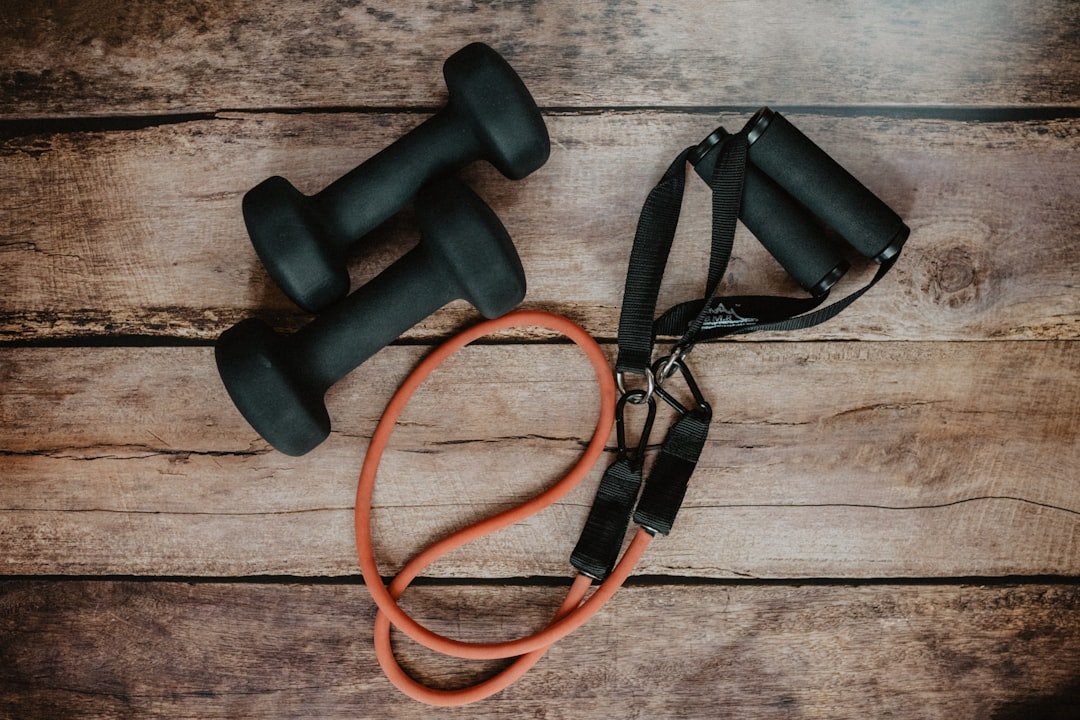
You don’t need a full garage of equipment. A few smart purchases make non-gym training efficient: adjustable dumbbells or kettlebells, resistance bands, a stable mat, and quality sneakers. These items let you run progressive strength cycles and quick conditioning sessions at home.
Accessories that improve consistency—grip trainers, support braces, or recovery tools—also pay off. Browse functional items for home workouts and recovery in the Accessories selection to find compact gear that fits your routine.
Putting it together: a sample weekly plan
Sample 5-day plan for a busy schedule:
- Monday — Strength (full-body compound session, 45–50 min)
- Tuesday — Mobility + light cardio (30–40 min walk or cycle)
- Wednesday — Interval cardio or HIIT (20–30 min)
- Thursday — Strength (focus on different movement patterns, 40–50 min)
- Friday — Active recovery or yoga session
- Weekend — One longer low-intensity activity (hike, bike, sport) and one full rest day
This blend preserves recovery while keeping volume sufficient for progress.
Quick checklist
- Plan 3–5 purposeful workouts weekly (strength, cardio, mobility)
- Prioritize sleep and hydration to amplify fewer workouts
- Use progressive overload in strength sessions (even bodyweight can progress)
- Include at least one mobility session and one low-intensity day
- Invest in a few quality accessories to make home training convenient
- Track recovery and adjust intensity—don’t chase consistency at the cost of fatigue
FAQ
Q: Will I lose strength if I don’t go to the gym every day?
A: No. Strength is maintained and improved with targeted sessions 2–4 times per week when programmed for progressive overload. Recovery days help consolidate gains.
Q: How can I get a good cardio stimulus at home?
A: Use intervals, tempo efforts, hill or stair repeats, rowing, or cycling. Short, high-intensity intervals and longer steady-state sessions both offer cardiovascular benefits.
Q: Do I need supplements if I train less often?
A: Not required, but convenient supplements—protein, targeted recovery formulas, or electrolytes—can support nutrition and recovery. Focus on whole-food protein and balanced meals first.
Q: How do I prevent boredom without a gym routine?
A: Vary modalities (strength, HIIT, mobility, sport), change the environment (outdoor walks, local trails), and use timers or small challenges to keep sessions engaging.
Q: Can I rely on bodyweight training alone?
A: Yes—progressive bodyweight training effectively builds strength and conditioning. Add external load or change leverage/tempo as you progress.
Conclusion
Staying fit without daily gym visits is practical and sustainable: prioritize purposeful sessions, recovery, and consistent nutrition. Use a few key tools and a simple weekly structure to make fewer workouts more effective—quality beats quantity. Start with a realistic plan you can maintain for months, not days, and adjust based on recovery and results.
Products Featured in This Article

WHOOP 4.0 with 12 Month Subscriptio…
EVERYTHING YOU NEED IS INCLUDED: Purchase includes an initial 12-month WHOOP membership, 4.0 hardware, Onyx SuperKnit…