
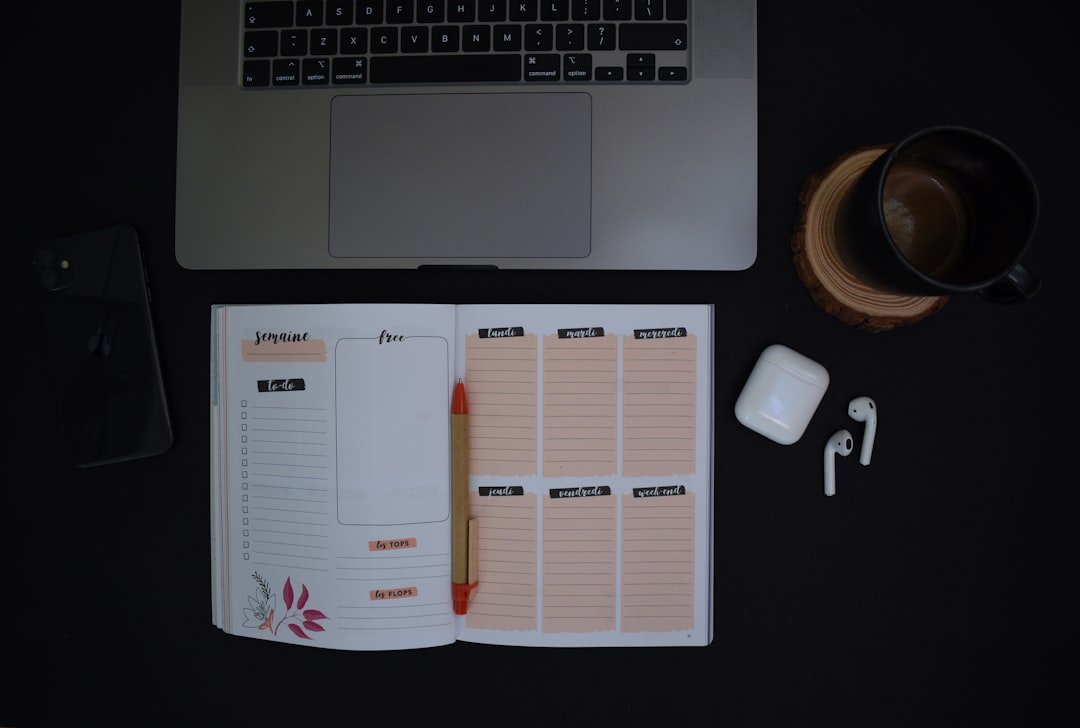
How to Stay Active Even with a Busy Schedule
Finding time for movement can feel impossible when days are full. The good news: staying active doesn’t require long gym sessions. With planning, small habit changes, and the right tools, you can maintain fitness and energy even on the busiest weeks.
This guide offers practical strategies, short workout templates, gear and nutrition pointers, and a quick checklist you can implement today.
Plan short, focused sessions (15–30 minutes)
When time is limited, prioritize intensity and structure over duration. High-intensity interval training (HIIT), circuit-style strength sessions, or focused mobility flows deliver benefits fast. Block 15–30 minutes on your calendar like any other appointment and treat it as non-negotiable. Use a simple timer or wearable to keep rounds tight and rest periods short — consistency beats occasional long workouts.
If you want tools to track those short sessions and measure recovery, consider a compact selection from Fitness Technology that fits in your pocket and syncs with your phone.
Use commuting and transitions
Turn transitions into opportunities: walk or cycle part of your commute, take stairs, do calf and glute activation while waiting for meetings to start, or perform a 5–10 minute mobility set between tasks. These micro-sessions add up and reduce sedentary time without requiring dedicated workout blocks.
Prioritize strength training for efficiency
Strength work preserves muscle and improves metabolism, and it can be incredibly time-efficient. Focus on compound moves—squats, deadlifts, push variations, rows and hinge patterns—performed in 2–4 sets with moderate to challenging resistance. You can complete an effective full-body routine in 20–25 minutes, two to three times per week.
For guided options or equipment that supports quick strength sessions at home, explore the Strength Training category for compact tools and program-friendly gear.
Sneak in cardio without losing time
Cardio doesn’t always mean long runs. Short bouts of vigorous activity—hill sprints, stair climbs, jump rope, or a 10-minute bike push—raise heart rate and improve cardiovascular fitness when done regularly. If you prefer equipment, choose machines with quick startup and minimal setup.
Check practical options and ideas in the Cardio Training selection to find compact, time-friendly machines and accessories for home or office use.
Use mobility and yoga to restore energy
Short mobility or yoga sessions improve posture, reduce the risk of injury, and help you feel more alert—especially important if your day includes long periods seated. A 10–20 minute morning or mid-day routine focused on hips, thoracic spine and shoulders can prevent stiffness and maintain range of motion.
For quick flows and supportive props, browse the Yoga category to find mats and wedges that make short practices more accessible and comfortable.
Optimize nutrition and brief fueling strategies
Good nutrition supports energy, recovery and focus. Plan simple, portable options for busy days: protein-rich snacks, balanced ready-to-drink shakes after a short workout, and hydration strategies. When workouts are short and frequent, prioritize protein intake across the day and avoid long gaps between meals to maintain performance.
For convenient options that fit tight schedules, see quick fueling and recovery choices under the Nutrition category.
Choose gear that removes barriers
Gear that’s ready-to-use reduces friction. Keep a small kit at work or in the car: resistance bands, a travel mat, and a pair of shoes. If you can, have a dedicated corner at home for quick sessions so setup time is zero.
Selecting comfortable, functional clothing also helps you move whenever time appears—browse the Activewear collection for pieces that transition from errands to exercise without fuss.
Build a realistic weekly structure
Create a weekly template that fits your rhythm: for example, 20 minutes strength on Monday/Thursday, 15–20 minutes HIIT on Tuesday, mobility on Wednesday, longer cardio on Saturday. Keep it flexible—swap sessions when necessary but stick to a minimum number of movement sessions per week. Consistency compounds; small sustainable steps win over sporadic perfection.
Make social and behavioral supports work for you
Accountability boosts adherence. Schedule movement with a coworker, join a short lunchtime group, or set recurring calendar blocks marked “movement.” Treat these times with the same priority as meetings. Use reminders and set realistic, measurable goals (e.g., “15 minutes x 5 days this week”).
Quick checklist: What to do this week
- Block three 20–30 minute movement slots on your calendar.
- Pack one portable workout (resistance band + bodyweight plan).
- Prep two easy post-workout snacks or a shake for recovery.
- Set a wearable or phone timer for short HIIT or mobility sessions.
- Lay out activewear the night before to reduce friction.
FAQ
-
Q: How much activity is enough if I only have 10–15 minutes?
A: Short, intense or focused sessions done daily add up—prioritize compound movements or a 10–15 minute HIIT/mobility mix and aim for consistency. -
Q: Can I gain strength with minimal equipment?
A: Yes. Bodyweight progressions, resistance bands, and short weighted sessions can build or maintain strength when programmed progressively. -
Q: What should I eat before a short workout?
A: If training is within an hour of eating, choose a light carb-protein snack (banana + nut butter, yogurt, or a ready-to-drink shake). For early-morning workouts, a small portion of protein or a quick shake can help. -
Q: How do I stay consistent when travel or meetings disrupt my plan?
A: Keep a minimalist travel kit (bands, bodyweight routine), and substitute short sessions for longer ones—10 minutes of intentional movement is better than none. -
Q: Will short workouts cause injury if I’m new to exercise?
A: Start with lower intensity, prioritize proper form, and include mobility and warm-up movements. Progress gradually and listen to your body.
Conclusion — practical takeaway
Staying active with a busy schedule is about consistency, simplicity, and removing friction. Block short sessions, use efficient strength and cardio formats, keep fueling simple, and choose gear that makes movement easy. Start with one small change this week—schedule a 15–20 minute session and build from there.