
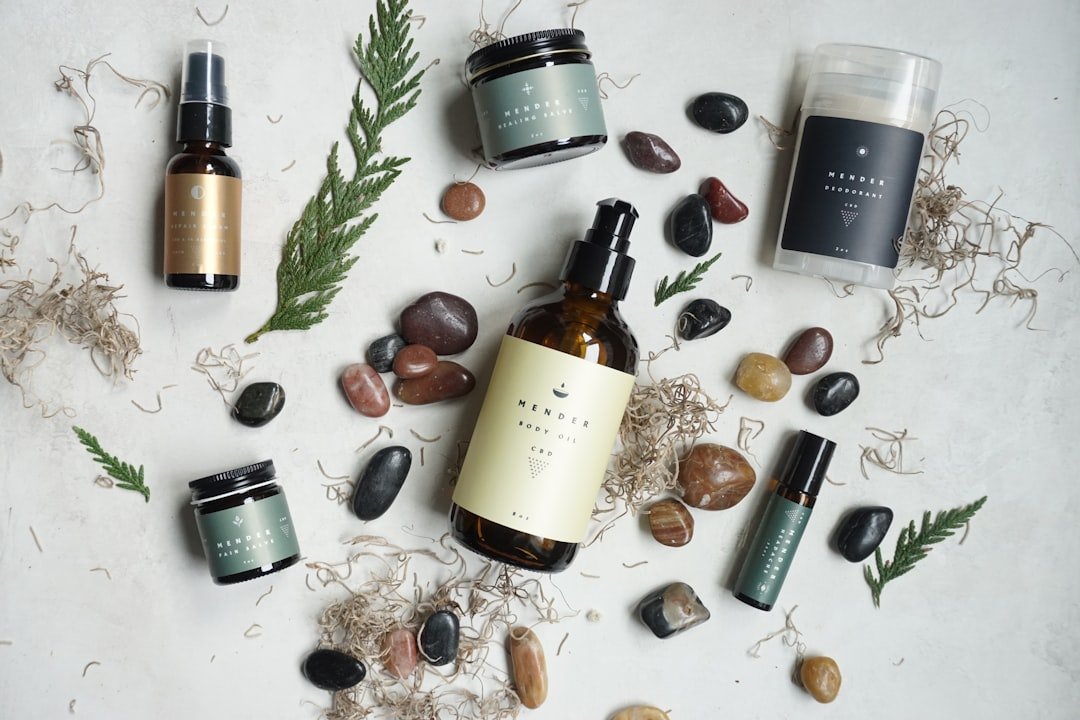
How to Choose Useful Wellness Products for Daily Care
Choosing products for daily wellness can feel overwhelming: endless labels, dozens of categories, and bold claims. The key is practical selection — pick items that fit your routine, solve real problems, and you’ll use consistently.
This guide helps you evaluate products across categories, prioritize quality and versatility, and build a dependable daily-care kit that supports nutrition, movement, recovery and calm.
Start with clear daily needs
Begin by listing what you want to improve or maintain each day: energy, sleep, stress management, mobility, or recovery after workouts. When you know the specific need, you can match product type, dosage, or design to that goal rather than buying based on trends or flashy packaging.
Choose products that support overall wellness
Look for items that address multiple daily needs — hydration, basic immune support, stress relief, or sleep hygiene. Browse established categories to see curated options that fit everyday use. For a broad set of options that cover sleep aids, recovery tools and daily supplements, check the selection in Wellness.
Prioritize multipurpose and space-efficient gear
Small homes and busy lives benefit from tools that do more than one thing. A resistance band can assist mobility, strength, and rehab exercises; a quality mat works for stretching, yoga and core work. When evaluating gear, ask: “How many ways will I realistically use this?” Choose the piece with the most daily utility and the least storage burden.
Choose nutrition that fits your lifestyle and routine
Nutrition products should slot into your day easily. If you travel or are short on time, look for ready-to-use formats like shakes or bars. If you train regularly, prioritize products geared to pre/post-workout needs and daily recovery. See balanced options across powders, bars and supplements under Nutrition to compare formats and ingredient lists.
Make movement and recovery accessible at home
Daily movement is more sustainable when it’s convenient. Keep a short toolkit for morning mobility and evening stretching. If you prefer guided routines or floor work, low-friction mats, blocks and compact props streamline a daily habit. Explore practical items for at-home practice in the Yoga category to build a minimal setup that encourages consistency.
Use small tools and accessories to solve specific problems
Accessories are cost-effective problem-solvers: a foam wedge can relieve tight calves, a strap helps deepen stretches, and grips protect hands during lifting. Select well-made accessories that address a clear, recurring issue in your routine. For a quick look at helpful small items, see the curated Accessories collection.
Track progress with simple fitness technology
Basic tech tools help you stay honest and consistent. A simple wearable or a hydration-tracking app can reveal patterns and small wins. Avoid overcomplicating: choose technology that measures what matters to your goals (sleep, steps, heart rate, workout frequency) and fits your comfort level. Browse practical devices that support daily tracking in Fitness Technology.
Build soothing rituals with scent and relaxation tools
Daily care isn’t only about activity and nutrition — calming rituals support recovery and sleep. Aromatherapy items, diffusers or roll-ons can be an easy ritual before bed or during breaks to signal rest. Keep the routine simple: one reliable scent, one placement (bedside or workspace), and consistent timing. See calming options in Aromatherapy Products.
Check labels and design for safety and usability
Read labels for clear ingredient lists, recommended serving sizes and storage instructions. For physical products, inspect materials, seams, and warranty information. Usability matters: comfortable grips, machine-washable fabrics, and clear controls increase the chance of daily use. Avoid one-size-fits-all claims — prefer transparent specs and realistic benefits.
How to test new daily-care items without commitment
Introduce one new product at a time and set a simple trial period (2–4 weeks). Track usage and outcomes: did it solve the problem, add friction, or get ignored? Return policies and small sizes reduce risk — choose samples or smaller formats when available so you can evaluate without waste.
Checklist: A practical buying shortcut
- Define the specific daily problem you want to solve.
- Prefer multipurpose items that save space and money.
- Choose formats that fit your routine (ready-to-drink vs. powder; gadget vs. bodyweight).
- Read labels and specs for transparency and realistic claims.
- Try one product at a time with a 2–4 week trial window.
- Pick durable, easy-to-clean materials and simple tech with meaningful metrics.
- Build a short daily ritual for consistent use (time + place + cue).
FAQ
- Q: How many wellness products should I use daily?
A: Start with 2–4 core items that address your top goals — for example, a basic supplement, a movement tool, a relaxation aid, and a tracking device. Add more only if they solve a clear need. - Q: Are expensive brands always better?
A: Not necessarily. Prioritize proven materials, clear labels and good reviews. Price can signal quality, but function and fit for your routine matter more. - Q: How do I evaluate nutritional products safely?
A: Look for complete ingredient lists, serving sizes, and third-party testing when available. Match product type to timing (pre-workout vs. evening) and avoid stacking stimulants across multiple items. - Q: What should I check for in wearable tech?
A: Battery life, whether the metrics measured align with your goals, comfort for daily wear, and data privacy or export options. - Q: How long before I expect to see benefits from a new daily product?
A: It depends: behavior and sleep aids may show changes in days to weeks; fitness and nutritional effects can take several weeks. Use a 2–4 week trial to assess short-term usefulness.
Choosing useful wellness products is less about the newest trend and more about honest fit: how a product integrates with your schedule, solves a repeat problem, and is simple enough to use every day. Pick a small, functional kit first, test thoughtfully, and scale only when items prove their value.