
How to Choose the Right Fitness Essentials for Your Goals
Choosing the right fitness essentials is about matching tools and nutrition to what you want to achieve, not buying everything that looks impressive. With clear priorities and a few well-chosen items you’ll get faster, safer progress and a better return on every dollar spent.
This guide walks through practical choices for common goals—strength, fat loss, endurance, mobility—and shows how apparel, recovery, and tracking fit into a balanced plan.
Start by defining a measurable goal
Be specific: “gain 8–10 lbs of muscle in 6 months,” “lose 10 lbs while keeping strength,” or “complete a 10K in under 50 minutes.” The clearer the outcome, the easier it is to pick equipment, supplements, and clothing that support it.
If your priority is building consistent lifting progress and program specificity, target products and plans from the Strength Training category—they align with progressive overload and structured sessions.
Assess space, budget, and time
Decide if you’ll train at home, in a small garage, or at a full gym. Space and time determine whether you need compact equipment (kettlebells, resistance bands, sliders) or larger machines (rowers, treadmills). If you’re limited on space but want cardio and low-impact options, look under the Cardio Training category for compact solutions like rowers or vibration plates.
Strength essentials: what to prioritize
For muscle and strength gains, prioritize barbell or dumbbell work, progressive loading, and reliable accessories. If you’re assembling a home kit, focus on durable fundamentals rather than specialty items.
Start with core strength pieces available in the Weights category—free weights and supportive accessories that let you progressively increase load and practice compound lifts safely.
Cardio and conditioning: choose tools that match intensity
Conditioning goals split into steady-state endurance and high-intensity interval training (HIIT). A rowing machine or mini-trampoline suits low-impact endurance and interval work; compact options let you mix modalities without extra gym time. If your plan relies on consistent, measurable cardio sessions, pick equipment from the Cardio Training category (one link already used above for relevance).
Nutrition and supplementation to support the goal
No single product replaces consistent diet planning, but targeted nutrition can accelerate outcomes—protein for recovery, strategic pre-workout focus for intensity, and meal systems for adherence.
If your priority is structured weight loss or a ketogenic approach, consider programs in the Weight Loss & Keto Diet Systems category to simplify meal logistics and keep calories consistent.
Mobility, flexibility, and recovery
Recovery is not optional—stretching, soft-tissue work, and restorative movement reduce injury risk and improve long-term progress. Yoga and mobility tools help maintain range of motion and support training frequency.
For a dedicated mobility practice or daily stretching routine, explore props and classes from the Yoga category so you can integrate consistent mobility work into your schedule.
Clothing, footwear, and functional accessories
Proper gear improves comfort, reduces distractions, and supports performance. Choose breathable, properly fitted pieces for the dominant activity—running shorts or compression for cardio, sturdy shoes and grippy gloves for lifting.
Start with versatile pieces from the Activewear category so you have functional apparel that suits multiple activities and seasons.
Track progress with simple tech
A reliable way to know what’s working is to measure. Track workouts, weights, reps, body measurements, and recovery metrics. You don’t need the most expensive wearable—choose tools that integrate with your routine and motivate you to be consistent.
For devices and trackers that make measurement easy, check the Fitness Technology category to find practical options for monitoring workouts and recovery.
How to build a minimalist kit by goal
Examples of compact, goal-aligned setups:
- Strength-focused: adjustable dumbbells, barbell & plates (or gym access), sturdy bench, lifting straps or wrist wraps.
- Fat-loss & conditioning: rower or jump rope, kettlebell, heart-rate monitor, structured meal plan or kit.
- Endurance: reliable running shoes, wearable tracker, interval plan, recovery tools (foam roller/yoga mat).
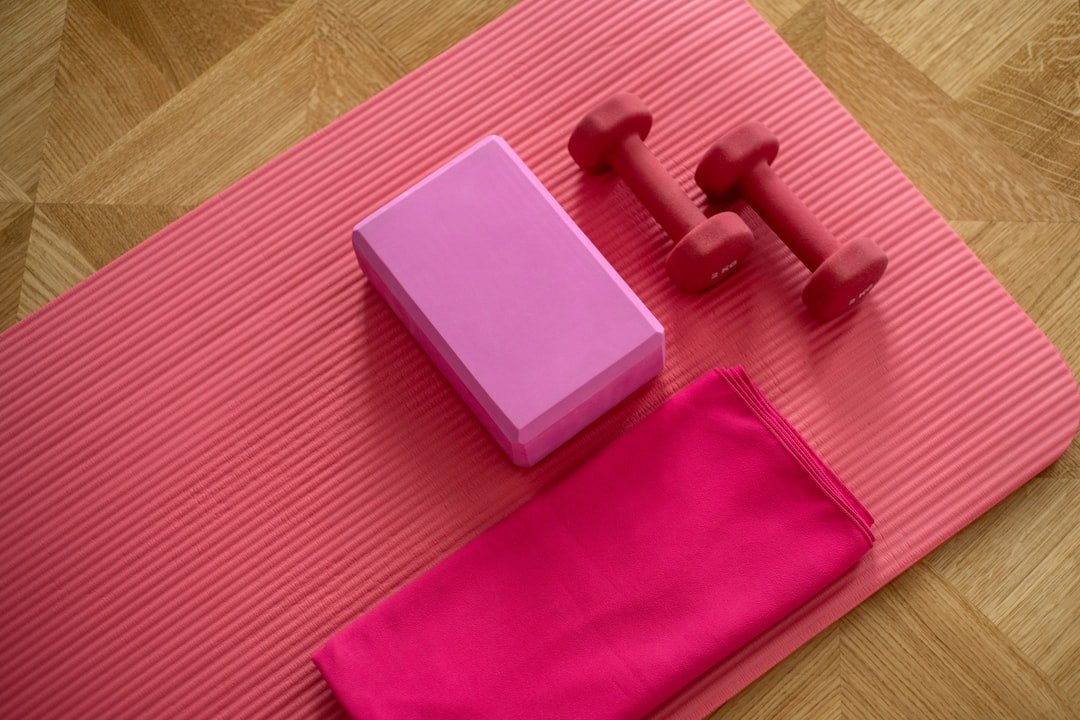
- Mobility & recovery: yoga mat, foam wedge or yoga props, nightly routine with light stretching and optional aromatherapy.
Checklist: buy smart, not everything
- Define one clear goal and a 3–6 month target.
- List the minimum equipment that allows progressive overload or consistent cardio.
- Choose one nutrition solution that simplifies adherence (meal system, focused supplement, or tracking method).
- Pick apparel that fits your main activity and climate.
- Select one tracking method to measure progress weekly.
- Allocate budget: 50% on core equipment, 30% on nutrition and recovery, 20% on apparel/tech.
FAQ
Q: How do I know whether to buy weights or cardio equipment first?
A: Base it on your primary goal. For strength and muscle, prioritize weights. For endurance or fat-loss driven by calorie burn, start with cardio equipment or classes. If unsure, prioritize a gym membership for access to both until goals are clearer.
Q: Do I need special clothes to get results?
A: No. Comfortable, moisture-wicking clothing removes distractions and can prevent chafing or overheating. Specialized footwear matters most for running or heavy lifting; otherwise, functional activewear works.
Q: What basic supplements are worth considering?
A: Protein to meet daily needs, creatine for strength gains, and a multivitamin if your diet lacks variety. Use supplements to complement, not replace, whole food nutrition or structured meal systems.
Q: Is expensive fitness technology necessary?
A: No. Basic tracking (notes, simple heart-rate monitor, or an affordable wearable) is often enough. Only upgrade if data helps you make better decisions or stay motivated.
Q: How often should I reassess my equipment needs?
A: Every 8–12 weeks as your training and goals evolve. You might need heavier weights, different cardio tools, or more recovery gear as volume and intensity change.
Conclusion — one practical takeaway
Pick one primary goal, assemble the minimal kit that supports progressive effort toward that goal, and measure consistently. Quality essentials—targeted equipment, a simple nutrition plan, reliable clothing, and one tracking method—will outperform a cluttered garage of unused gear every time.