
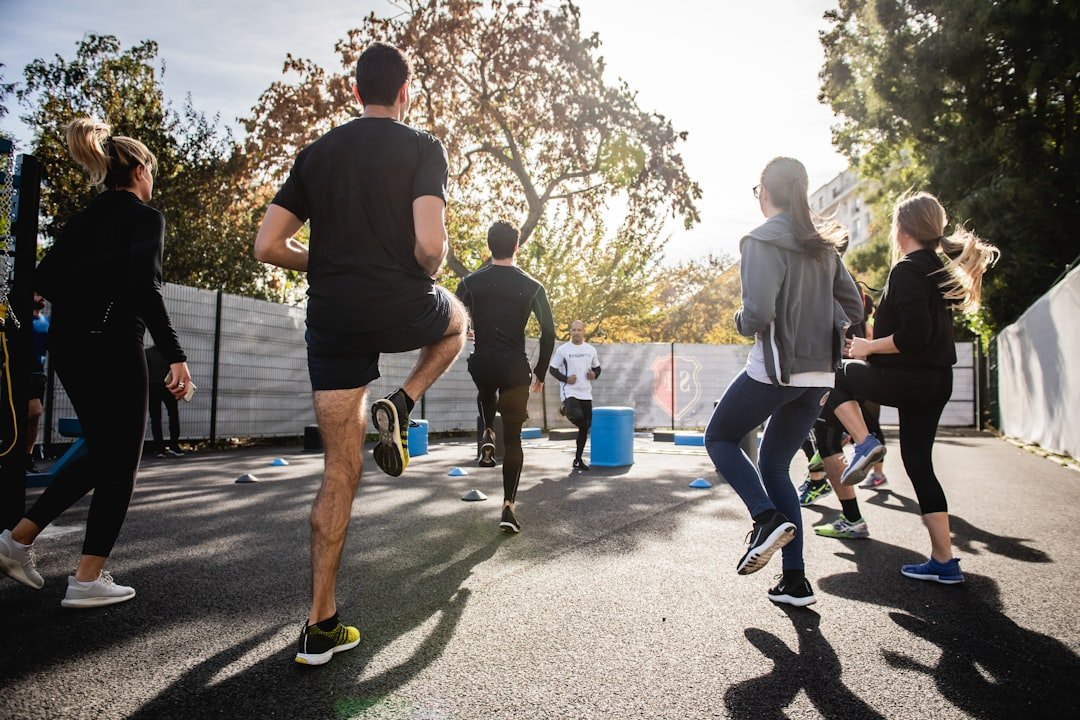
Beginner-Friendly Guide to Living a More Active Lifestyle
Starting an active lifestyle can feel overwhelming, but small consistent choices create lasting change. This guide breaks down practical steps you can use today—no extreme routines, just reliable habits that build fitness, energy, and confidence.
Follow these clear strategies for planning movement, choosing the right activities and gear, and staying motivated without burnout. Each section offers actionable tips you can implement immediately.
Why an Active Lifestyle Matters
Regular movement improves mood, sleep quality, functional strength, and metabolic health. You don’t need hours in the gym daily—consistency matters more than intensity at the start. Think of activity as a daily tool that supports your work, family, and hobbies.
Start Small: Set realistic, measurable goals
Begin with short, achievable targets: 10–20 minutes of activity 3–4 times per week. Use the SMART framework—Specific, Measurable, Achievable, Relevant, Time-bound—to create goals you can track. Example: “Walk 20 minutes on Monday, Wednesday, Friday before work for four weeks.”
Choose Activities You’ll Stick With
Pick activities that match your interests and schedule. If you prefer steady-state movement, pick brisk walking, cycling, or group classes. If you like variety, mix cardio, strength, and mobility sessions. Explore options and commit to one you enjoy for at least a month to test adherence.
For structured cardio options and at-home machines, see resources on Cardio Training.
Build Strength Alongside Cardio
Strength training preserves muscle, improves posture, and supports everyday tasks. Beginners can start with bodyweight moves—squats, push-ups, and planks—then progress by adding resistance or sets. Aim for 2 full-body strength sessions per week and increase gradually.
Learn more about safe program options and basic equipment in the Strength Training category.
Nutrition to Fuel Movement
Food quality and timing support performance and recovery. Focus on:
– protein at meals to support muscle repair,
– carbohydrate around workouts for energy,
– healthy fats and vegetables for overall health.
Hydration and consistent meal patterns help energy and adherence.
For practical products and basics to support your meals and supplements, browse our Nutrition selection.
Choose the Right Gear (without overspending)
You don’t need a closet full of equipment. Prioritize comfortable clothing, a supportive pair of shoes, and a few affordable accessories like a mat or resistance bands. Good gear reduces friction and makes workouts more enjoyable.
Check functional options like mats, grips, and small equipment in the Accessories collection.
Make Movement Practical: Activewear and Comfort
Comfortable clothing can remove a small but frequent barrier to activity. Breathable, flexible pieces make it easier to move at home or outdoors. Choose fabrics suited to your climate and preferred activities so you’re ready to start without excuses.
Explore lightweight and performance-ready items in our Activewear category.
Home Equipment That Helps Beginners Succeed
If you want at-home cardio that’s low-impact and easy to use, compact machines can be a game-changer. A rowing machine is an efficient, full-body option that scales with fitness—short sessions deliver meaningful conditioning.
If you’re considering a reliable at-home option, view the SNODE Rowing Machine to see how a single piece of equipment can support consistent cardio and full-body workouts.
Recovery, Mobility, and Injury Prevention
Active recovery is part of an effective plan. Add short mobility routines, foam rolling, or gentle yoga to reduce soreness and improve range of motion. Sleep and hydration are also key recovery tools—prioritize both to support training gains.
How to Progress Without Burning Out
Track progress in simple ways: session counts, minutes moved, or how many repetitions you can do. Increase one variable at a time—more reps, extra set, or an additional 5–10 minutes—so progress is sustainable. Schedule rest weeks every 4–8 weeks to reset and prevent overuse.
Small Motivators That Keep You Going
Use habits and accountability to stay consistent: a fixed time each day, a workout buddy, or a simple tracker. Celebrate small wins—consistent weeks matter more than big one-off performances.
Quick Checklist to Start Today
- Set one clear weekly goal (e.g., 3 sessions of 20 minutes).
- Choose two activity types: one cardio + one strength/mobility.
- Gather minimal gear: comfortable shoes, mat, and a small accessory.
- Plan workouts on your calendar—treat them like appointments.
- Track sessions for four weeks, then adjust intensity or duration.
- Include one recovery habit: 7–9 hours sleep or a 10-minute mobility routine.
FAQ
How much activity do I need to see benefits? Start with 150 minutes of moderate activity weekly or 75 minutes of vigorous activity as a long-term target; beginners should build up gradually from shorter sessions.
What if I don’t have time for workouts? Break activity into short 10–15 minute blocks throughout the day—these add up and improve consistency.
Is strength training necessary? Yes—at least twice weekly helps maintain muscle, bone health, and functional strength. Bodyweight routines are effective starting points.
How can I avoid injury as a beginner? Warm up, focus on form, progress slowly, and include recovery days. If you have concerns, seek guidance from a qualified professional.
What should I eat around workouts? Have a light carbohydrate+protein snack 30–90 minutes before activity if needed, and a protein-containing meal or snack within 2 hours after exercise to support recovery.
Conclusion: One Practical Takeaway
Pick one small habit—like a 20-minute walk three times this week—and build around it. Improve one thing at a time: add one strength session, swap one snack for a protein-rich option, or schedule movement at the same time each day. Consistency over intensity creates a sustainable, active lifestyle.
Products Featured in This Article

SNODE Rowing Machine for Home Use, …
Thickened & Double Support Pipe: The dual and thickened pipe can effectively increase the stable of…