
How to Make Wellness a Natural Part of Your Lifestyle
Wellness isn’t a project with a finish line — it’s a set of daily habits that stack over time. The difference between temporary fixes and lasting change is designing routines that fit your life, not the other way around.
This guide gives practical, science-aligned steps to make healthier choices feel natural: food, movement, rest, tools, and simple rituals you can keep for years.
1. Start with small, repeatable habits
Big goals fail when they rely on willpower alone. Pick one small habit you can repeat daily — a short walk after lunch, a glass of water on waking, or five minutes of breathwork. These tiny wins build identity and momentum for bigger changes. For ideas that support everyday wellbeing, explore our Wellness collection to find products and practices that complement habit-building.
2. Make food your daily foundation
Nutrition drives energy, mood, and recovery. Rather than chasing perfection, create a reliable pattern: protein at each meal, consistent vegetables, and whole-food carbohydrates when you need fuel. Batch-cook or prep simple combinations you can grab on busy days to avoid defaulting to ultra-processed options.
If you’re trying supplements or planned shakes for convenience, start with basic, trusted categories and track how they make you feel. Browse our Nutrition category for balanced options that fit everyday life without complicating it.
3. Move in ways you enjoy — consistency beats intensity
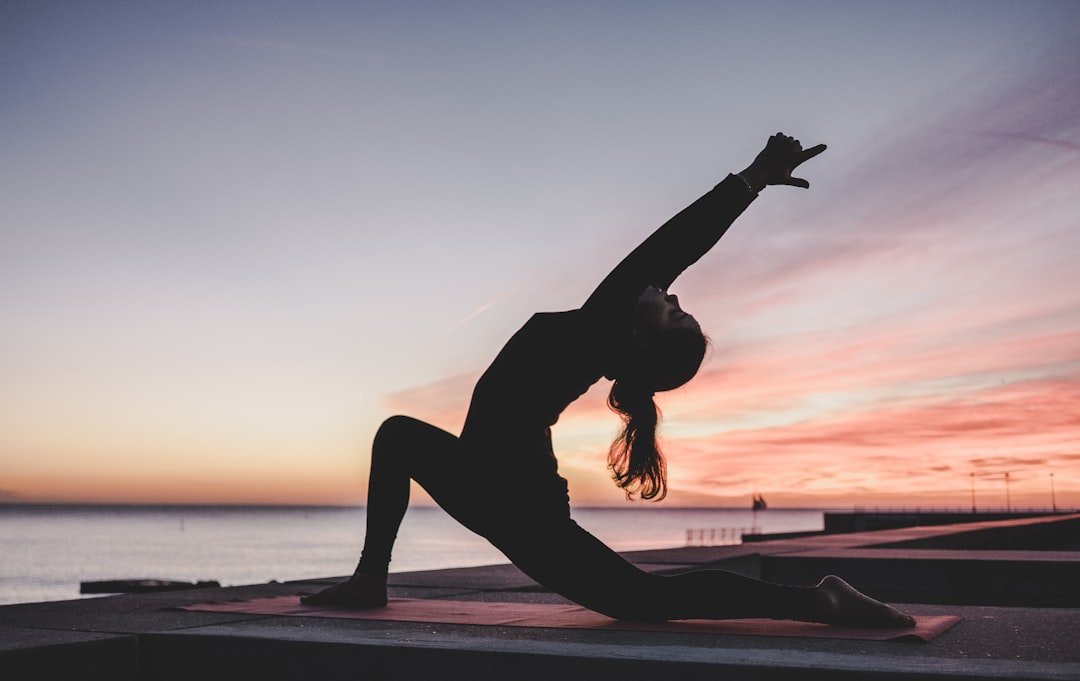
Exercise that complements your schedule and interests is the only exercise you’ll keep. If you prefer calm and mobility, build a short daily yoga flow. If you thrive on variety, mix yoga, walking, and bodyweight circuits through the week. Even ten to twenty minutes daily compounds quickly into better strength and flexibility.
For simple, accessible movement and tools that ease you into a routine, see our selection in the Yoga category.
4. Fuel workouts thoughtfully
How you prepare and recover from training shapes progress. For a light session, rely on whole foods; for higher-intensity work or back-to-back training days, targeted support can help maintain performance and reduce fatigue. Experiment with timing: a small protein-plus-carb snack 60–90 minutes before a hard effort can be helpful for many people.
When you want concentrated, workout-focused options, our Sports Nutrition category has products designed for pre-, intra-, and post-workout support so you can choose what matches your training plan.
5. Track what matters — then simplify
Measurement keeps habits honest. But tracking should be lightweight and tied to actions, not anxiety. Use a step goal, a simple sleep score, or a short daily checklist: Did I move? Did I have a balanced meal? Did I wind down before bed?
If you prefer tech that gives clear, actionable metrics without overwhelming detail, our Fitness Technology options can help you see trends and make small adjustments.
6. Choose gear that lowers friction
Comfort, convenience, and a little pride in your tools make it easier to act. Invest in breathable activewear that fits the movements you do, and keep a dedicated set for workouts so getting ready becomes automatic, not optional.
For functional, everyday pieces that help you get out the door and stay consistent, check our Women’s Activewear collection — the right clothes often make the first step feel easier.
7. Prioritize recovery and simple rituals
Recovery isn’t optional. Regular sleep, short mobility breaks, and simple relaxation rituals restore capacity for the next day. Evening rituals — dim lights, limited screens, a brief stretch or breathwork — cue your body toward rest. You don’t need a long routine: consistent signals are what matter.
Add one restorative habit at a time: a 10-minute guided breathing session, an evening walk, or a five-minute foam rolling routine. Over weeks these will improve both performance and daily feeling.
8. Make environments work for you
Design your home and routines so healthy choices are the path of least resistance. Keep water visible, fruit in a bowl, workout shoes by the door, and a spot for quick movement. Reduce decision fatigue by pre-selecting meals for a few days and scheduling movement like any other important appointment.
9. Build social and accountability supports
Change is easier with others. Share small goals with a friend, join a class, or pair up for weekly check-ins. Accountability doesn’t have to be strict — a weekly message about progress is often enough to keep momentum and motivation steady.
Quick checklist: daily actions that add up
- Hydrate on waking and with each meal.
- Include a protein source at two main meals.
- Move at least 10–20 minutes (walk, yoga, strength).
- Track one metric (steps, sleep, or mood) for trends.
- Wind down 30–60 minutes before bed with low screens.
- Prep one healthy snack or meal for tomorrow.
FAQ
Q: How do I start if I’m very busy?
A: Pick one 5–10 minute habit (walk after lunch or a protein-rich breakfast) and attach it to something you already do, like brushing teeth or making coffee.
Q: Do I need supplements to improve wellness?
A: No. Whole foods and consistent habits are primary. Supplements can fill gaps or aid specific training goals — consult a professional for personalized advice.
Q: How often should I change my routine?
A: Keep core daily habits for at least 4–8 weeks to assess impact. Small tweaks every few months prevent stagnation and help you learn what works.
Q: What if I miss a day or slip up?
A: Treat it as data, not failure. Missed days are expected. Focus on returning to routine the next day — consistency over months matters far more than perfection.
Q: How do I know if my plan is working?
A: Look for steady trends: better sleep quality, easier workouts, improved mood, or more consistent energy. Use simple tracking to confirm progress without overcomplicating the process.
Conclusion — one practical takeaway
Choose one small habit you can commit to for 30 days, pair it with a supportive environment and a simple tracking method, and build outward from there. Consistency wins: tiny daily choices become the lifestyle you want far faster than occasional, intense efforts.