
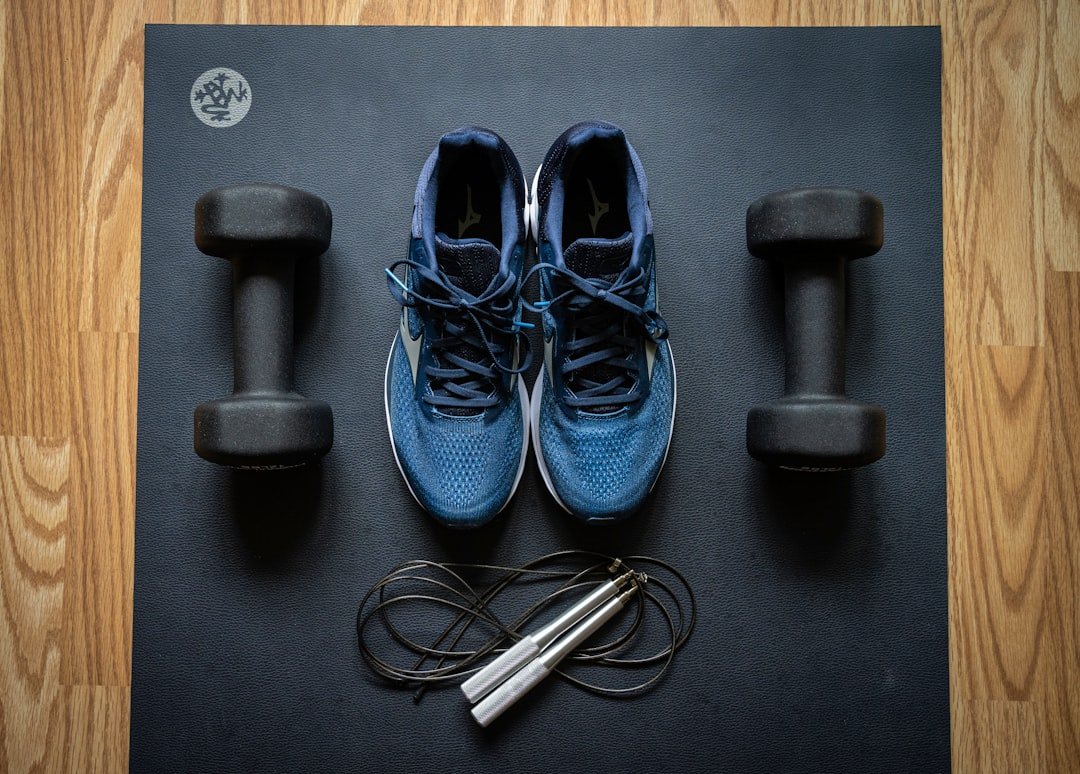
How Small Fitness Habits Can Make a Big Difference
Big fitness goals don’t always require big time commitments. Consistent, small habits—done daily or several times a week—compound into measurable improvements in strength, endurance, mobility, and mental clarity.
This article outlines practical, evidence-informed small habits you can adopt, how to integrate them into a busy life, and simple gear and nutrition choices that support consistency without overwhelm.
Why micro-habits matter
Micro-habits focus on frequency and sustainability rather than intensity. Ten minutes of movement, two focused strength sets, or one mobility drill each day reduces decision friction and lowers the psychological barrier to starting. Over weeks and months, these short, regular efforts create neurological and physiological adaptations—better movement patterns, improved metabolic health, and higher baseline activity.
Build movement into your day
Movement doesn’t have to be a 45-minute gym session. Break movement into purposeful mini-sessions: a 10-minute walk after lunch, a 5-minute stair climb, or a single cardio set when you wake up. These bursts raise heart rate, improve circulation, and build a habit of daily activity.
If you prefer equipment to guide short sessions, explore options in Cardio Training that can fit a small home routine—mini-trampolines, rowing machines, or compact cardio tools are great for quick, effective bursts.
Strength in short bursts
You don’t need long gym visits to maintain or build strength. Two or three brief strength sessions per week—15 to 20 minutes each—can preserve muscle and improve functionality. Focus on compound moves (push, pull, hinge, squat) and progress by adding reps, slowing tempo, or increasing resistance.
For guided options and equipment that support short strength routines, check the Strength Training category for lightweight tools and compact equipment that make consistent training easier.
Stretch, restore, and move smarter
Mobility and flexibility work are high-value, low-time investments. Daily stretches for hips, shoulders, and the thoracic spine reduce stiffness, improve posture, and lower injury risk—especially for people seated for long periods.
Yoga-style routines offer efficient sequences you can do in 10 minutes. If you prefer a structured practice, the Yoga category includes mats and props that make short daily sessions comfortable and repeatable.
Small nutrition shifts that support habit formation
Fitness habits are reinforced by nutrition choices that support energy, recovery, and focus. Simple, reliable steps: prioritize protein at meals, keep ready-to-eat healthy snacks available, and hydrate consistently throughout the day.
If you want a quick way to stock smart options, browse the Nutrition category for convenient choices—ready-to-drink options and nutrition bars help you avoid the “I’ll grab anything” trap when you’re short on time.
Use tech and small tools to increase adherence
Reminders, trackers, and tiny pieces of equipment can keep you consistent. A simple wearable or timer prompts you to stand, move, or complete a short session; a home tool that’s easy to reach makes the “do it now” option easier.
Explore the Fitness Technology category for devices that track movement and sleep—small data nudges help you stay accountable and measure progress without overcomplication.
Targeted tools for micro-strength gains
For habits focused on grip, forearm strength, or quick warm-ups, compact tools are highly effective. A hand-grip trainer or similar accessory can be used while watching TV or during short breaks to maintain strength and joint health.
One example is the AIXPI Grip Strength Trainer, which offers adjustable resistance and takes seconds to use—ideal for building a reliable, low-effort habit.
Make it realistic: habit design principles
Apply these practical rules to make small fitness habits stick:
- Make it obvious: place gear where you see it daily (mat by the door, sneakers visible).
- Make it attractive: pair a short workout with something you enjoy (podcast, music).
- Make it easy: choose 10-minute progressions rather than full workouts on busy days.
- Make it satisfying: record each small win (checklist, habit app, or calendar mark).
Checklist: daily and weekly micro-habits
- Daily: 10 minutes of movement (walk, mobility, or quick cardio).
- Daily: 3–5 minutes of mobility for hips, back, and shoulders.
- 3x/week: 15–20 minutes of focused strength work (bodyweight or light resistance).
- Daily: prioritize protein at two meals and keep a healthy snack on hand.
- Weekly: one longer session (30–60 minutes) to build endurance or deeper strength.
Staying consistent when life gets busy
When schedules tighten, scale down rather than skip. A single set of squats, a five-minute walk, or a pair of grip trainer sessions maintain momentum. Use cue-based triggers (after brushing teeth, post-lunch) to automate the habit and prevent decision fatigue.
Common barriers and quick fixes
Barrier: No time. Fix: Schedule 2–3 short blocks in your calendar and treat them as non-negotiable.
Barrier: Lack of equipment. Fix: Use bodyweight alternatives and inexpensive tools; even a towel or a chair can enable effective work.
Barrier: Low motivation. Fix: Start with one habit that feels easy, attach it to an existing routine, and celebrate small wins to build momentum.
Conclusion: one practical takeaway
Pick one micro-habit today—10 minutes of movement, two strength exercises, or a daily mobility routine—and repeat it for 30 days. Consistency matters more than intensity; these small steps compound into meaningful fitness gains and a sustainable routine.
FAQ
- How long before I see results? Expect small improvements in energy and mobility within 2–4 weeks; measurable strength or endurance gains typically show in 6–12 weeks with consistent effort.
- Can short workouts really maintain muscle? Yes—regular, progressive short strength sessions preserve and can build muscle when frequency and progressive overload are applied.
- Do I need equipment for micro-habits? No. Bodyweight, resistance bands, or compact tools accelerate progress but aren’t required. If you want convenient equipment, categories like Activewear make movement more comfortable and accessible.
- How do I avoid injury with short sessions? Prioritize technique over reps, include mobility and a brief warm-up, and progress gradually. If you have a history of injury, choose low-impact options and consult a professional.
- What role does nutrition play? Nutrition supports energy and recovery. Simple actions—adequate protein, hydration, and convenient healthy snacks—help you sustain training and daily activity.
Products Featured in This Article

AIXPI Grip Strength Trainer, Hand G…
Comfortable and Durable: The grip handle is ergonomically designed and wrapped in a soft material to…