
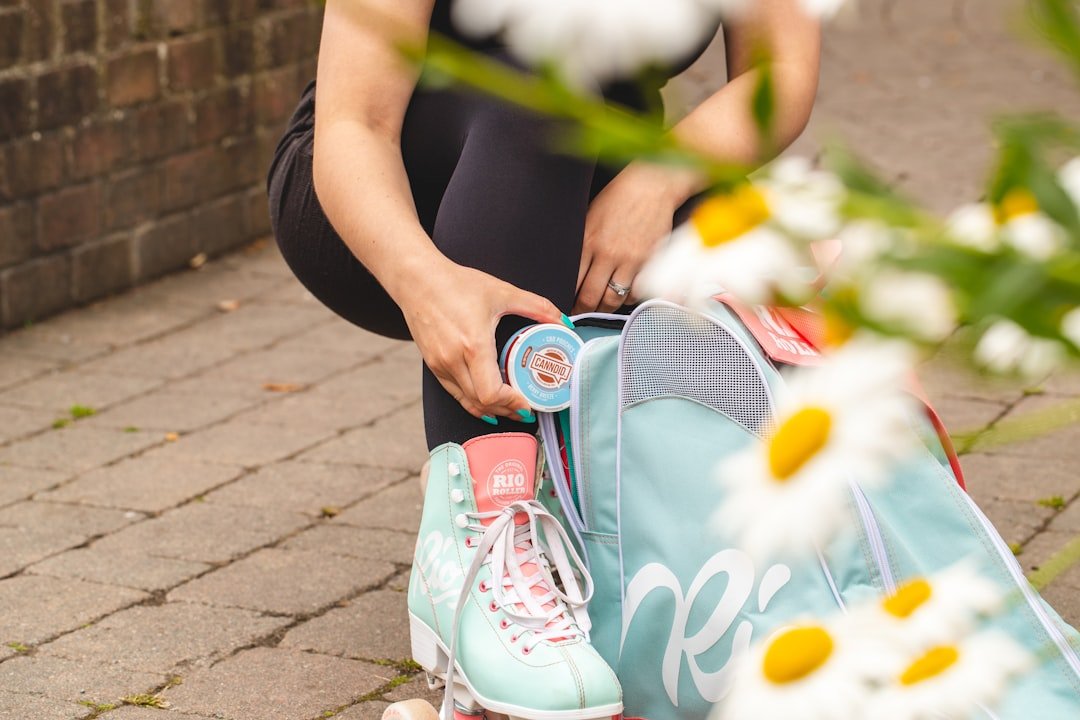
Starting a fitness and wellness journey can feel overwhelming. With countless products, conflicting advice, and budgets to manage, the right purchases can make progress easier and safer. This guide cuts through the noise and gives practical, evidence-informed direction for beginners choosing products that support consistent workouts, recovery, and everyday health.
Read this as a straightforward map: what to buy first, how to match gear to goals, and simple rules for evaluating supplements and tech. No hype — just reliable tips to get you moving and feeling better.
1. Define clear, achievable goals
Before buying anything, decide what you want to achieve in the next 3 months: improve cardiovascular fitness, build basic strength, increase mobility, or support weight management. Goals dictate the products you actually need. For example, a person focused on running needs different gear than someone who wants home strength training.
2. Essential gear for beginners
Start with minimal, versatile items that let you build habits without clutter. A few low-cost accessories can multiply your training options and reduce injury risk. Consider items such as resistance bands, a basic mat, a set of adjustable dumbbells, and grips for better hand traction. Browse practical, entry-level tools in our Accessories selection to find items that match small-space and budget-friendly routines.
3. Cardio options that fit your lifestyle
Cardio doesn’t have to mean long runs. Low-impact tools and machines help beginners maintain consistency while protecting joints. Equipment choices should reflect available space and preferred activity (e.g., cycling, rowing, gentle rebounding). For at-home solutions, explore compact and beginner-friendly cardio equipment under our Cardio Training category to compare options and sizes.
4. Strength training fundamentals
Strength training is one of the highest-return activities for overall health. Beginners should prioritize compound movements (squats, push-ups, rows, deadlifts variations) and tools that let you progress gradually. Free weights, kettlebells, resistance bands, and core sliders cover most needs. If you’re equipping a home setup, start from the basics in the Strength Training section — choose equipment that allows small increments in load and technique adjustments.
5. Nutrition basics for fitness
Food is the foundation. Prioritize whole foods: vegetables, lean proteins, whole grains, healthy fats, and regular hydration. Meal patterns that match your training schedule (balanced meals pre- and post-workout) support energy and recovery. If you want product support like meal planners, protein powders or convenient real-food options, review our practical picks under Nutrition. Use supplements to fill gaps in the context of solid meal planning, not as a primary strategy.
6. When to consider sports nutrition products
Sports nutrition products — pre-workouts, recovery formulas, and targeted supplements — can help performance and consistency when used correctly. Beginners often benefit most from basic options: a moderate caffeine pre-workout for energy, protein for recovery, and electrolyte support during long sessions. If you choose supplements, research ingredients, check dosages, and prefer reputable brands. Explore appropriate options in our Sports Nutrition range and select items that match your training intensity and tolerance.
7. Recovery, sleep, and wellness essentials
Recovery products are as important as active tools. Items that support sleep, stress reduction, mobility, and pain-free movement keep you consistent. Consider foam rollers, sleep aids like calming routines or light-blocking accessories, and targeted wellness products for sore muscles. For non-exercise recovery support and restorative aids, check our curated Wellness offerings to find safe, low-risk additions to your routine.
8. Fitness technology — choose what improves consistency
Wearables, simple heart-rate monitors, and tracking apps can motivate and maintain accountability, but they’re tools — not guarantees. Use technology that provides clear, actionable feedback: step counts, heart-rate zones, or simple workout logging. If a device complicates your routine, skip it until habits are established. Start with basic trackers that match your comfort with tech and budget.
9. Practical shopping rules for beginners
Follow these quick criteria to avoid buyer’s remorse:
- Prioritize multi-use items over single-purpose gadgets.
- Buy quality where safety matters (footwear, weights, straps), budget on extras.
- Match product claims to independent reviews and ingredient transparency.
- Avoid “quick-fix” promises; look for incremental, measurable improvements.
- Check return policies and warranties for equipment purchases.
Quick checklist for your first purchases
- Goal identified and measurable (e.g., 3 workouts/week)
- One cardio option (e.g., walking, cycling, or a compact machine)
- Basic strength tools (bodyweight + one accessory or small free weight)
- Comfortable activewear and supportive shoes
- Simple recovery item (foam roller or mobility band)
- Basic nutrition plan and one quality protein or recovery product if needed
FAQ
- How much should a beginner spend? Start small. Invest more in safety and comfort (shoes, a good mat) and buy other items as needs become clear.
- Do I need supplements right away? No. Prioritize whole foods and sleep. Use supplements to address concrete deficiencies or to support training when you have a consistent routine.
- What’s the best way to avoid injury with home equipment? Learn proper form, begin with conservative loads/low intensity, and choose equipment that allows gradual progression.
- How often should I replace wearable tech or equipment? Replace based on wear, performance drop, or when the tool no longer supports your progress. Check warranties for electronics.
- Can I mix cardio and strength in one week? Yes. Many beginners benefit from 2–3 strength sessions plus 2–3 cardio sessions. Adjust volume based on recovery and goals.
Practical takeaway: pick a small, goal-driven set of products that remove barriers to movement — a reliable pair of shoes, one cardio option, one strength tool, and a recovery aid. Use nutrition to fuel training and add targeted sports nutrition only when your routine and needs are clear. Make purchases that simplify habits rather than complicate them, and iterate as you progress.