
Intro
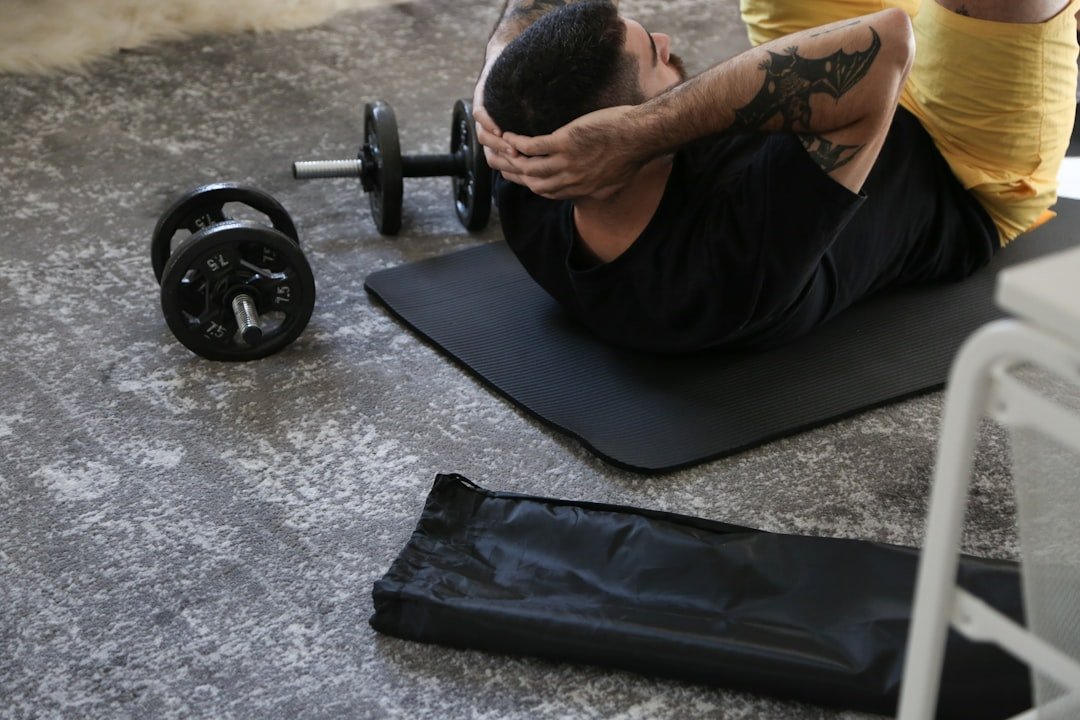
Creating a home workout routine that sticks doesn’t require a garage full of equipment or hours a day. With intentional planning and a few smart choices you can build an efficient program that improves strength, mobility, and conditioning from your living room.
This guide gives clear, practical steps to design a sustainable home routine: how to set goals, choose equipment, structure sessions, and recover effectively so progress is reliable and measurable.
Set clear, realistic goals
Begin by defining one to three specific goals (example: build upper-body strength, lose 8–10 pounds, improve cardiovascular fitness, or enhance daily mobility). Assign a timeline and measurable metrics—weights lifted, minutes of continuous cardio, or number of weekly sessions.
Keep goals realistic for your schedule. A sensible starting plan is 3–4 workouts per week: two strength sessions, one cardio-focused session, and one mobility/recovery session. Adjust frequency before intensity to reduce injury risk.
Assess your space, time, and basic equipment
Map out a dedicated workout area and the time you can consistently commit. Even a 6×6-foot space is enough for most routines. If you plan to use small tools, choose items that store easily and offer multiple uses.
If you need a place to start exploring compact options and accessories that maximize small spaces, browse available Accessories to choose items like sliders, bands, or mats that expand exercise variety without clutter.
Build a balanced strength plan
Strength training should target major movement patterns: push, pull, hinge, squat, and core. For home routines, prioritize compound exercises (push-ups, rows, squats, Romanian deadlifts, and planks) and progress them by altering leverage, tempo, reps, or adding external load.
For program templates, consider two formats: (A) Full-body sessions three times per week or (B) Upper/lower split four times per week. Both are effective when you progressively overload. If you want dedicated tools or program ideas centered on resistance work, check the Strength Training category for equipment and inspiration.
Smart cardio choices for home
Cardio works best when it matches your goals and preferences. For fat loss and conditioning, high-intensity interval training (HIIT) and circuits deliver efficient results in 20–30 minutes. For endurance and stress relief, steady-state sessions of 30–45 minutes are appropriate.
If you prefer machines or low-impact cardio options you can use at home, explore the range of home-friendly options in Cardio Training to find rowers, mini-trampolines, or vibration platforms that fit your space and goals.
Mobility, flexibility, and yoga
Mobility and flexibility reduce pain, improve movement quality, and support strength progress. Include 10–15 minutes of mobility work either after warming up or in a dedicated session. Focus on thoracic rotation, hip openers, ankle dorsiflexion, and hamstring length.
If you plan to build a habit of regular stretching or yoga flows, check tools and mats that make practice comfortable and accessible in the Yoga section—small investments can remove barriers to consistency.
Fueling, recovery, and supplementation
Recovery is where progress happens. Prioritize sleep, adequate protein intake, and post-workout nutrition to support repair and adaptation. A practical target is 0.7–1.0 grams of protein per pound of body weight for active trainees, spread across meals.
When you need convenient post-workout options or performance-focused products, consider browsing the Sports Nutrition options. Use supplements to complement—not replace—whole food meals, and track how any product affects your energy and recovery.
Wear and use the right gear
Comfort and function matter. Proper footwear, breathable layers, and clothing that allows full range of motion make workouts easier to sustain. For those seeking apparel that combines comfort and functionality, review styles in the Women’s Activewear collection—focus on fit and fabric suitable for the movements you’ll perform.
Beyond clothing, small investments like a durable mat, sliders, or a set of resistance bands expand exercise selection without heavy cost or space needs.
Track progress and keep motivation
Use simple tracking: a training log with exercises, sets, reps, and notes on difficulty. Reassess every 4–6 weeks and adjust volume or intensity. Celebrate small wins—added reps, improved form, or increased session consistency.
Add variety to avoid plateaus: rotate movement patterns, vary rep ranges, and incorporate short challenges (e.g., 21-day bodyweight program). Social accountability, scheduled sessions, or pairing workouts with tasks you enjoy can improve adherence.
Quick checklist
- Define 1–3 clear goals with timelines.
- Map a consistent weekly schedule (start with 3–4 sessions).
- Set up a small dedicated space and choose multi-use Accessories.
- Prioritize compound strength movements and progressive overload.
- Include 20–30 minutes of cardio 1–3x/week based on goals.
- Do 10–15 minutes of mobility or yoga after sessions.
- Track workouts and reassess every 4–6 weeks.
- Prioritize sleep and protein; use Sports Nutrition when needed.
FAQ
- How often should I strength train at home?
Begin with 2–3 full-body sessions per week or 4 sessions with an upper/lower split if you have time and recovery. Increase frequency as recovery and workload allow.
- Do I need equipment to get results?
No. Bodyweight progressions are effective. Small tools like bands, sliders, or adjustable weights increase options and make progression easier.
- How long before I see progress?
Noticeable improvements in strength and conditioning can appear in 4–8 weeks with consistent training and adequate nutrition.
- What is the best way to warm up at home?
Start with 5–10 minutes of light cardio (marching, jumping jacks) and dynamic mobility targeting the joints and muscles you’ll use in your session.
- How do I prevent boredom with my routine?
Rotate exercises, change rep schemes, add short challenges, or swap a session format (e.g., strength circuit vs. traditional sets) every 4–6 weeks.
Conclusion
Designing an effective home workout routine is about consistency, sensible progression, and reducing barriers. Start with clear goals, a small set of reliable exercises, and a weekly plan you can sustain. Make incremental changes, track them, and prioritize recovery to keep progress steady.